
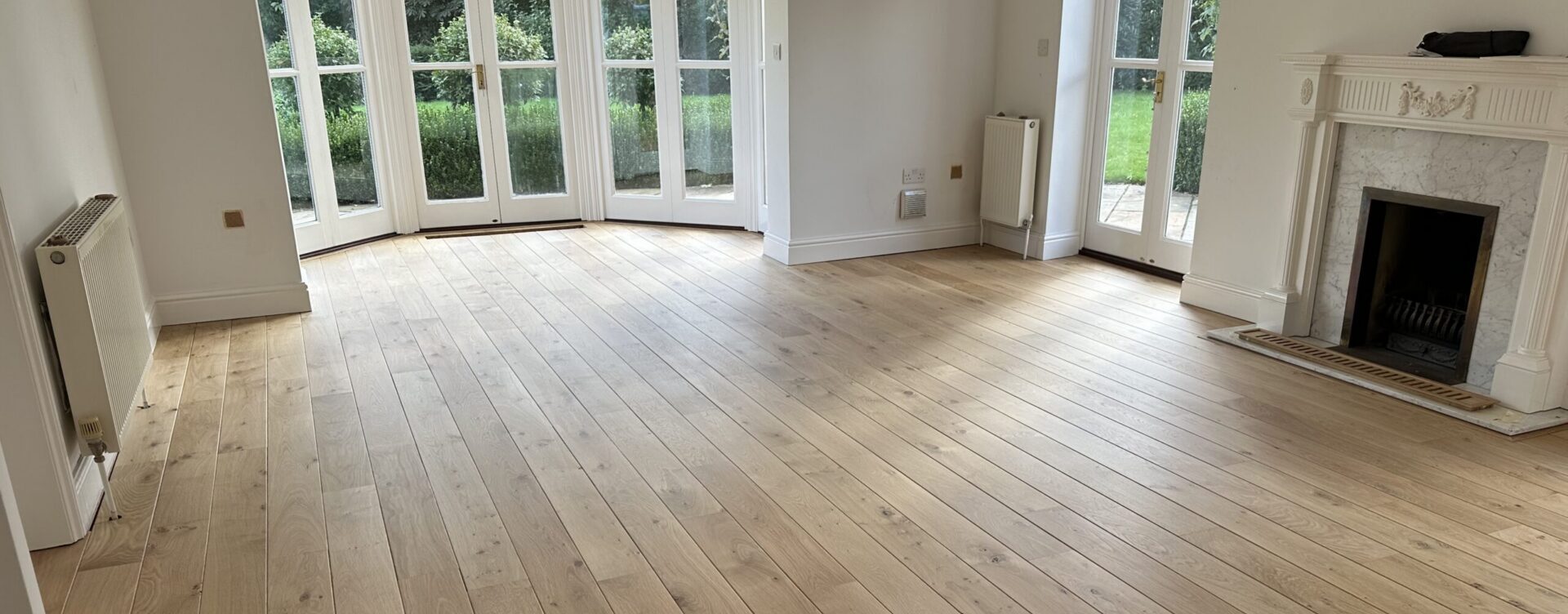
Over the years, I’ve heard the same question more times than I can count. The floor gets sanded back. It looks pale and matte and completely raw. And the customer says: “Can we keep it like this?”
For years, the honest answer was “not really.” Every lacquer changes the wood. It deepens the colour, adds sheen, and makes the floor look finished in a way that bare timber never does. Some customers love that. Others don’t. They want the raw, dusty, just-sanded look — preserved forever. Until recently, no durable surface coating could deliver that.
Loba Invisible Protect AT changed that.
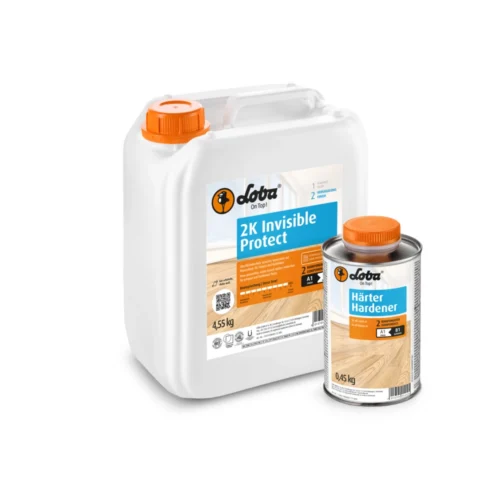
What Is Loba Invisible Protect AT?
Loba Invisible Protect AT is a two-component, water-based lacquer. Loba — a German manufacturer with a long track record in professional floor finishing — makes it. You’ll often see it labelled as a “2K” product. That refers to its two-part system: a base and a hardener. You mix them at a ratio of 10 parts base to 1 part hardener before application. Once mixed, you have around two hours to use it. Good preparation and a methodical approach are essential.
The “AT” stands for Anti-Tack. The cured surface is dry and non-sticky. That matters because softer, tacky finishes attract dust and grit over time.
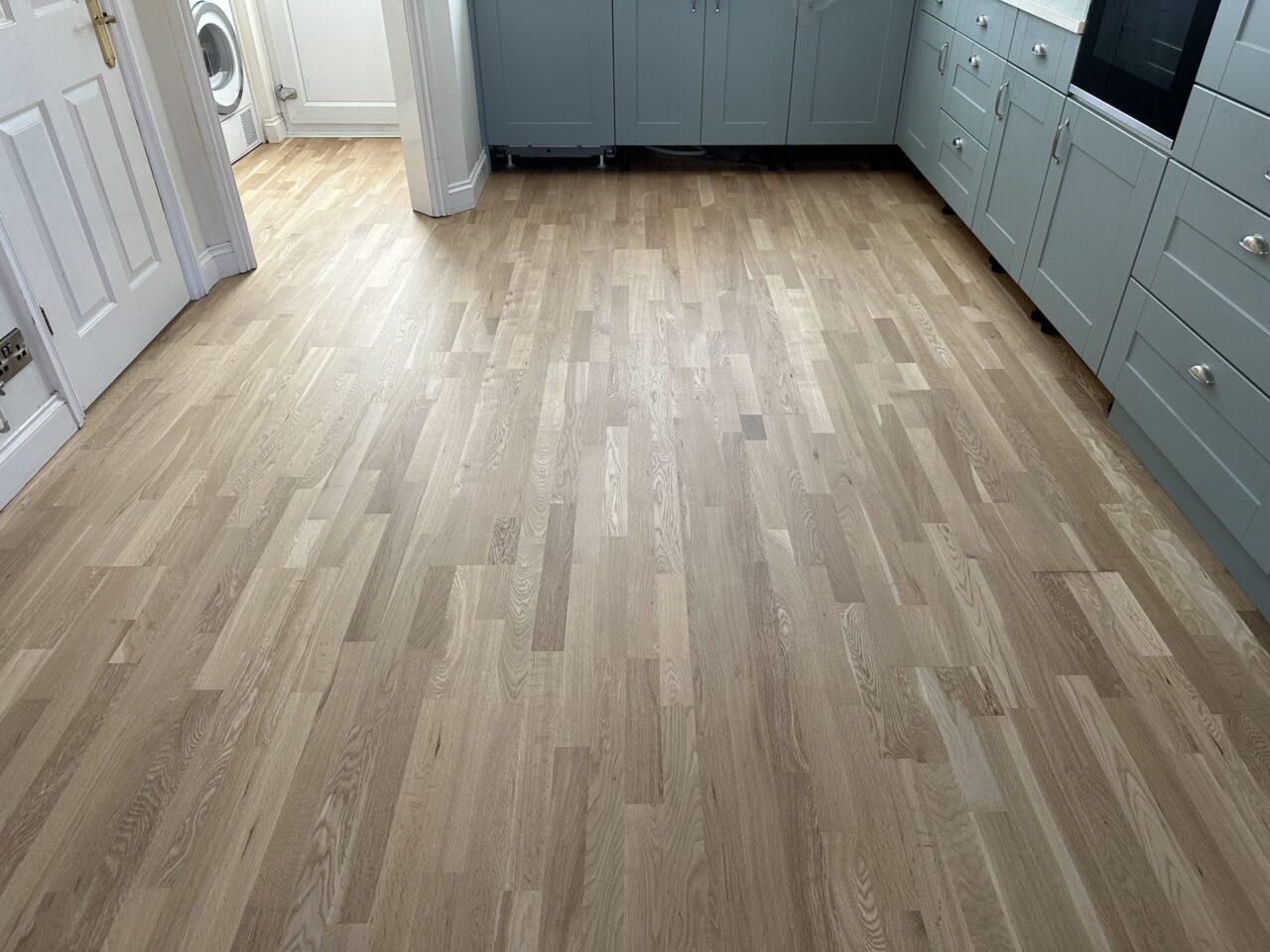
But the thing that sets it apart from everything else is right there in the name: Invisible.
Most lacquers — even good ones — alter the wood. They add warmth, deepen the grain, and create a surface sheen. Your eye immediately reads it as a finished floor. Loba Invisible Protect AT avoids all of that. It sits on the surface without meaningfully changing the wood’s colour or appearance. The result looks as close to bare, freshly sanded timber as it’s possible to get — while still offering proper protection.
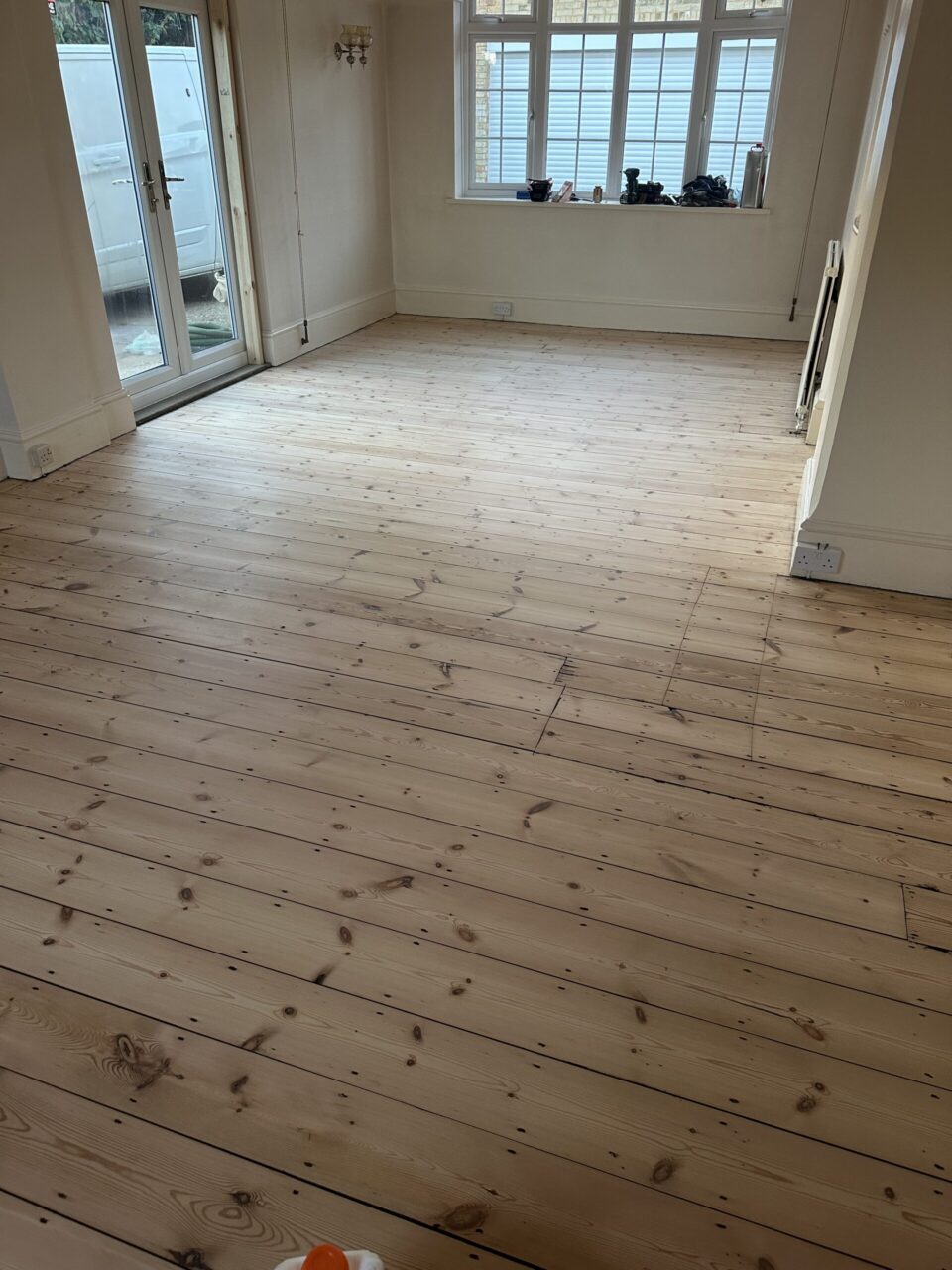
The Two-Coat System — How It Actually Works
Loba Invisible Protect AT is designed as a two-coat system. Here’s how we apply it:
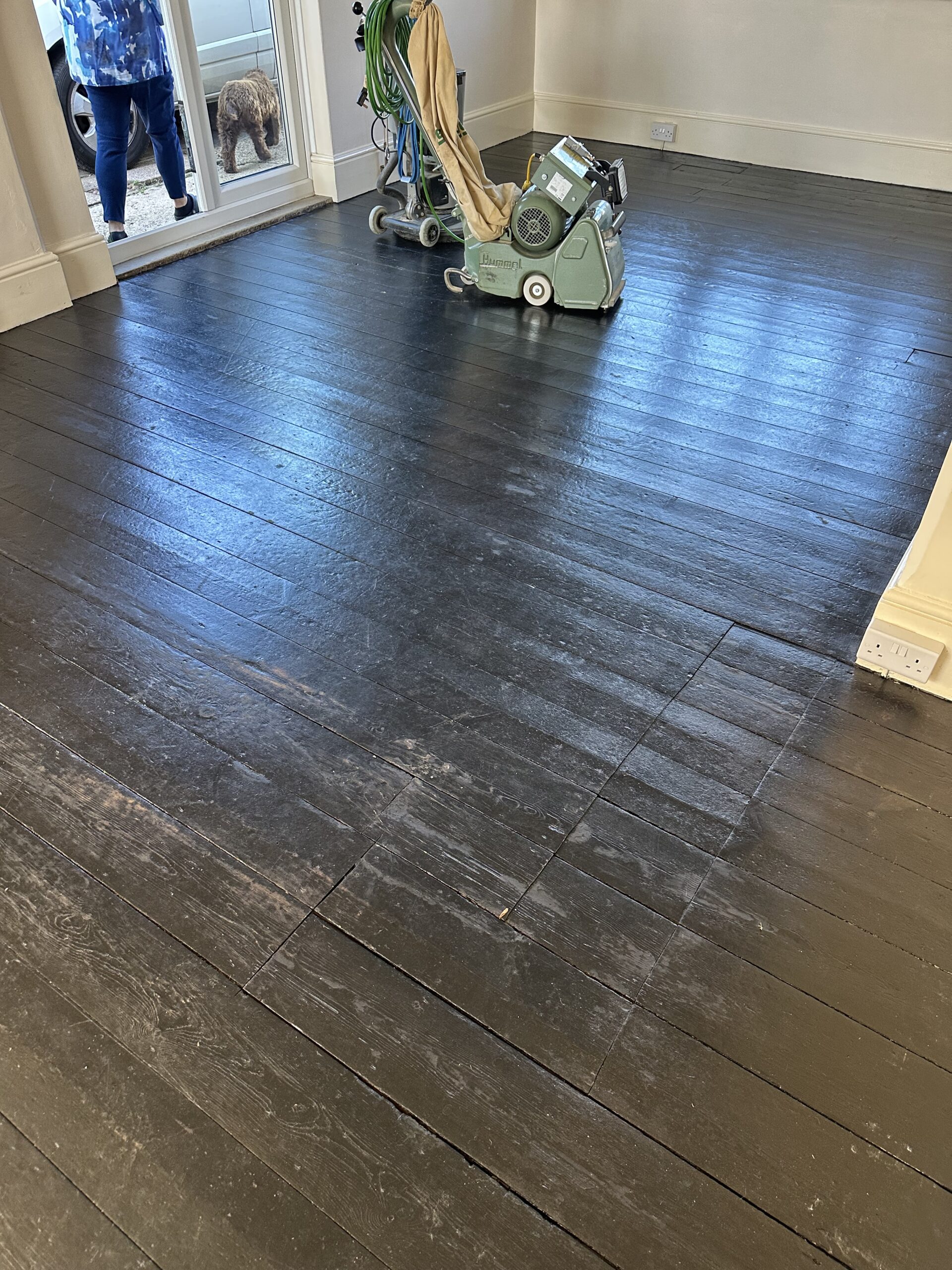
The first coat goes on after full preparation. We sand the floor back to bare timber, vacuum it thoroughly, and tack-mop every trace of dust away. No primer is required — the product is self-sealing, which keeps the process straightforward.
After the first coat, you wait 4–6 hours. Then you lightly sand with a 180 grit pad to remove grain raise before the second coat goes on. That intermediate sanding matters. It gives the final surface its smoothness and helps the second coat bond properly.
The floor handles light foot traffic after 24 hours. Full cure takes 5 days. During that first week, keep water and cleaning products off it. Don’t replace furniture or rugs too soon either.
A third coat is optional for very high-traffic floors — busy commercial spaces or large family homes. For most domestic floors, two coats gives more than enough protection for everyday life.
What “Invisible” Actually Looks Like
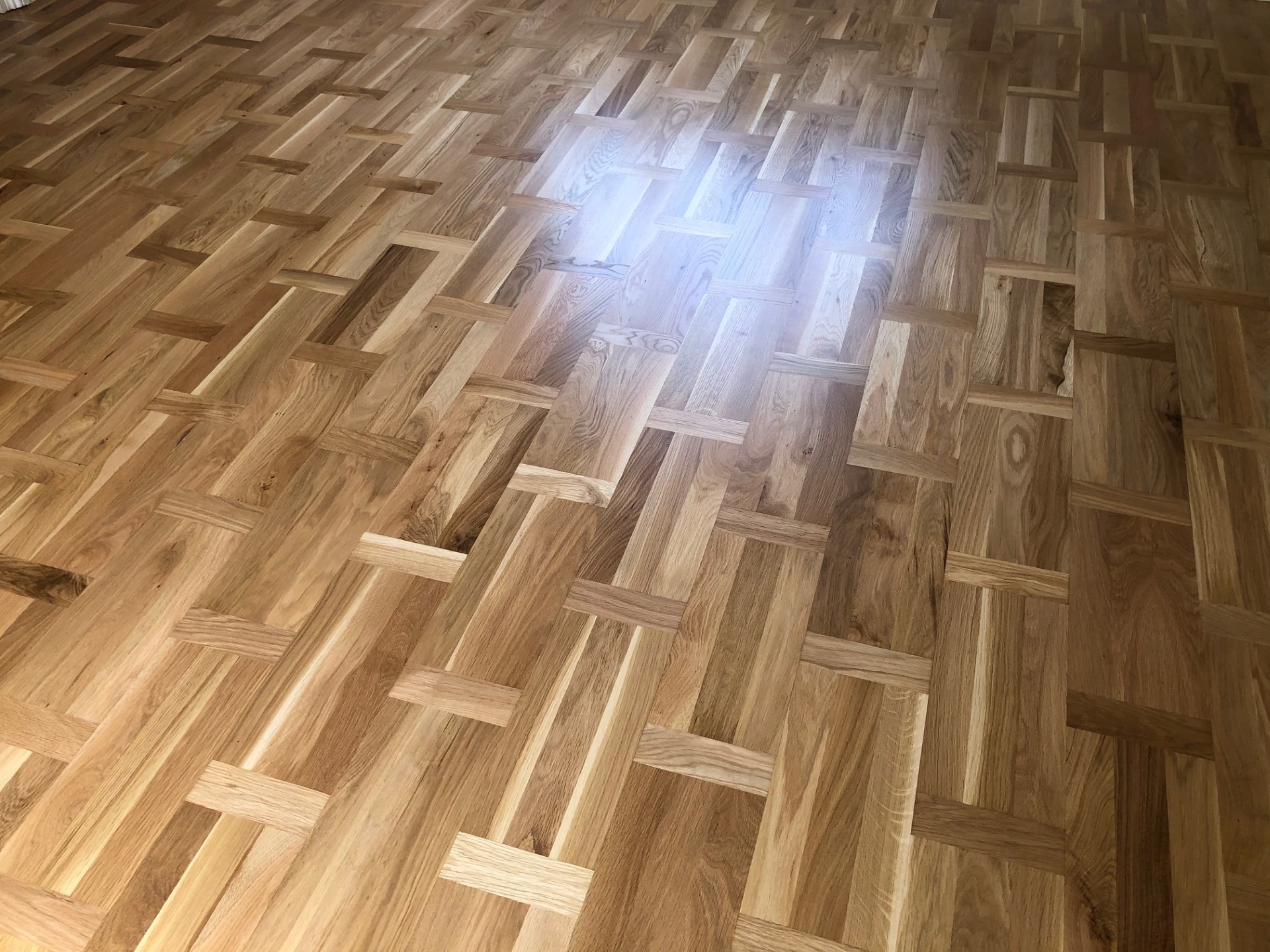
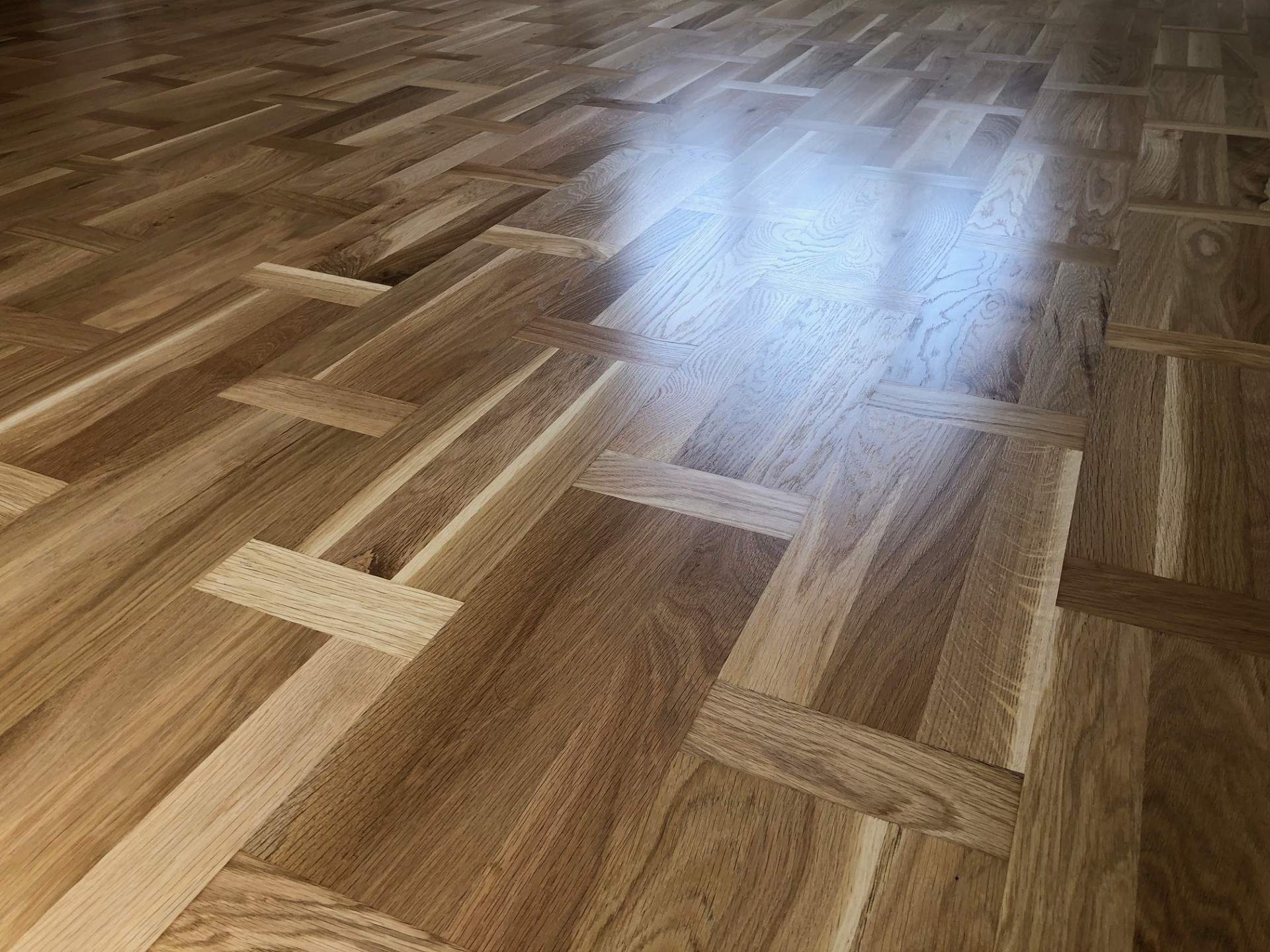
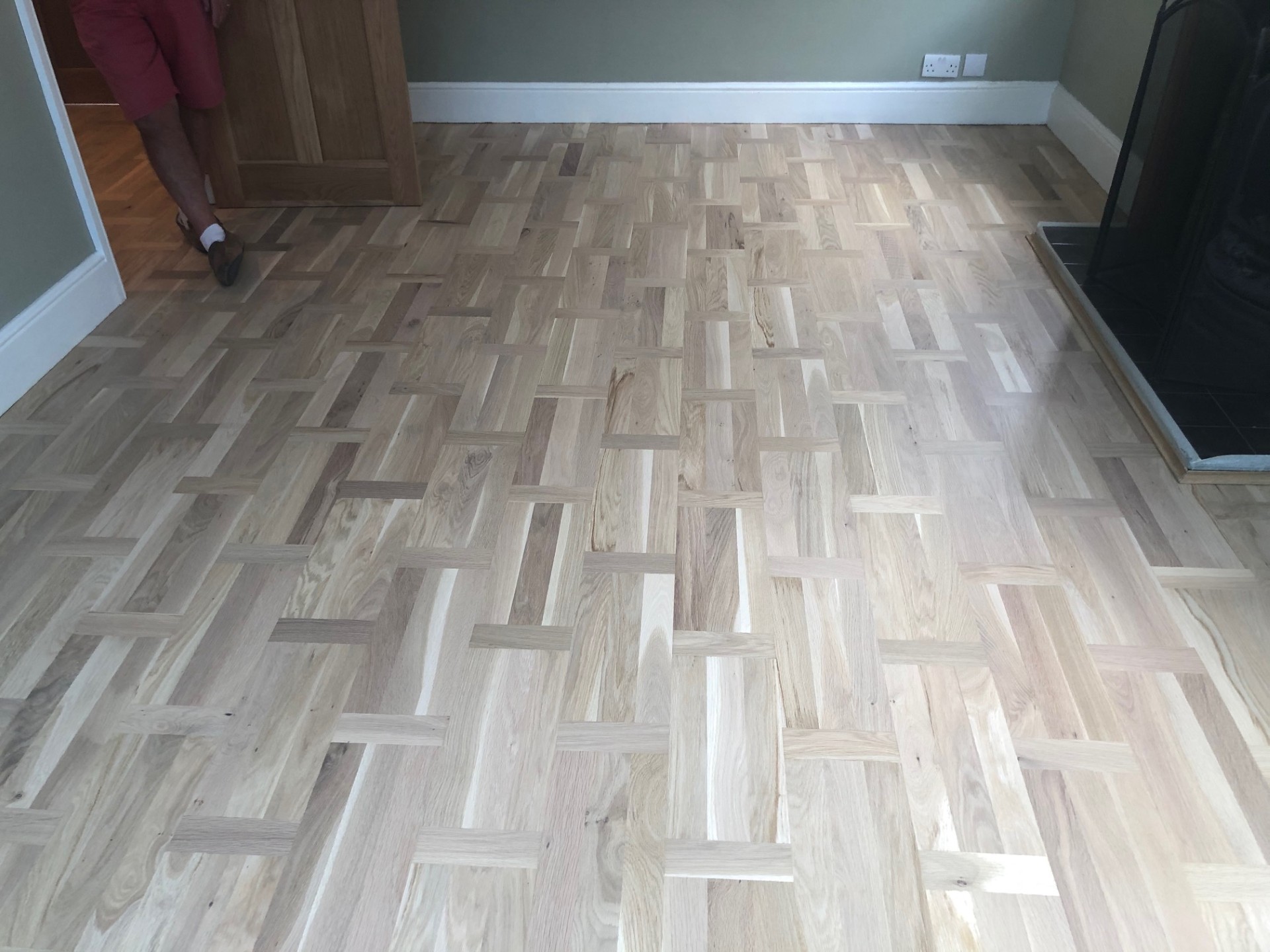
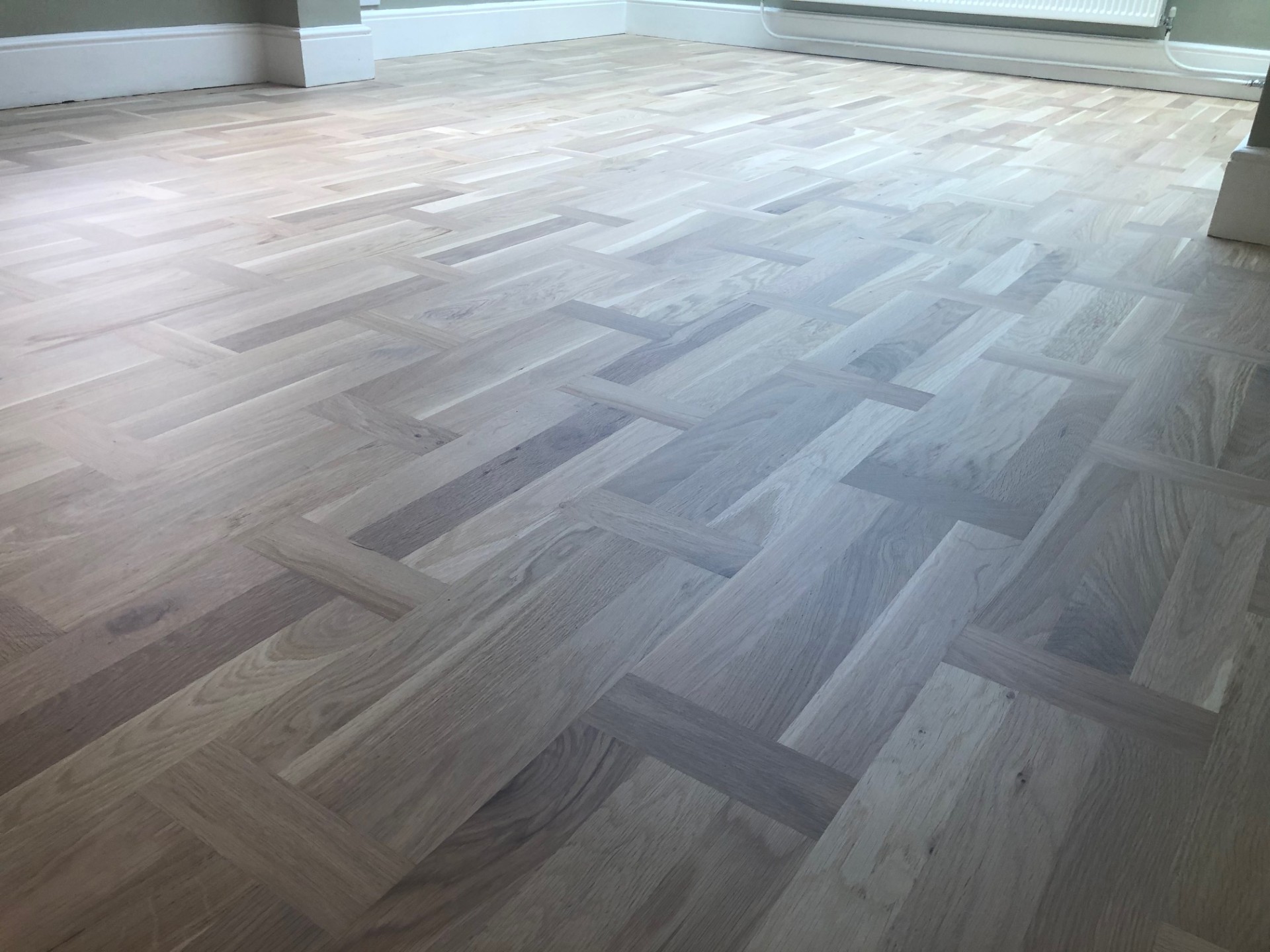
Seeing it side by side makes the difference immediately clear. I filmed a full floor restoration using Loba Invisible Protect AT. That video has reached over 5 million views on YouTube and over 40 million plays on Instagram.
View this post on Instagram
When a standard clear lacquer goes on, the change is obvious. The grain pops, the colour deepens, and a sheen appears. For some floors and some customers, that’s exactly what they want. But if you love that muted, chalky, raw-timber look — the kind of floor you’d find in a Scandinavian home or a stripped-back renovation — watching it disappear under a coat of lacquer is a real frustration.
With Loba Invisible Protect AT, that doesn’t happen. The wood looks the same as it did bare. Protected, yes — but not changed. Not dressed up. The four images on this page show both results side by side.
Why Customers Ask for It
Demand for bare-look finishes has grown steadily over the last decade. Interior design trends play a part — natural materials, exposed brick, raw plaster, and linen fabrics have dominated home interiors for years. People want their floors to belong to the same world.
But there’s something beyond aesthetics here too. Loba Invisible Protect AT also feels like natural untreated wood underfoot. Most coatings create a subtle barrier between your foot and the timber. You might not consciously notice it, but it’s there — a slight plasticity to the surface. This product doesn’t have that.
It also won’t amber over time. That matters enormously on pale or light-toned floors. Nothing is more disheartening than watching a white or natural ash floor gradually turn yellow under the wrong finish. Loba Invisible Protect AT keeps its clarity — and the floor keeps its natural colour.
What Floors Is It Best Suited To?
The invisible effect is most striking on lighter timber species. Natural oak, ash, maple, and pine all respond brilliantly. On light timber, the contrast between a finished and an unfinished floor is significant. Loba Invisible Protect AT closes that gap almost entirely.
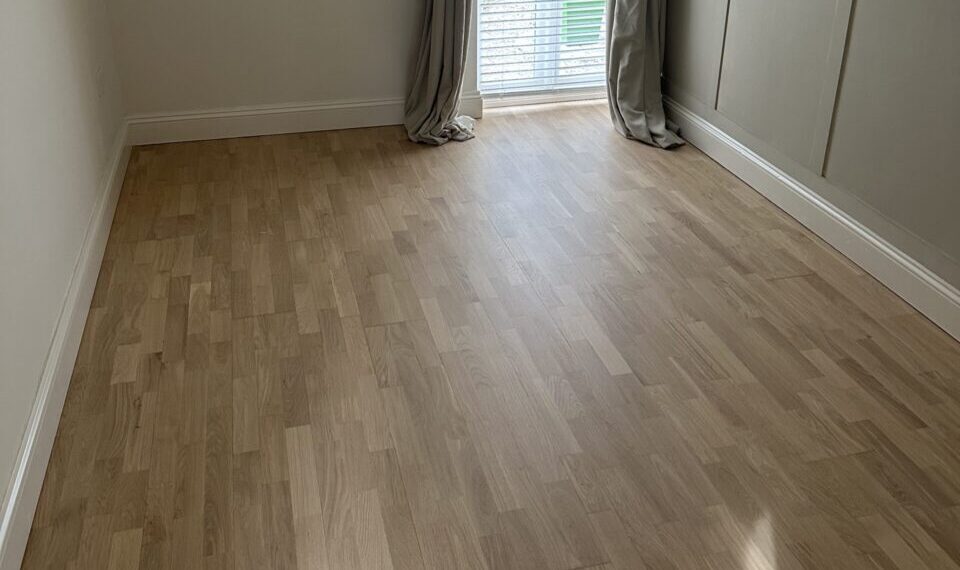
It also works beautifully over a white or lightly pigmented base coat. A white stain gives the floor a bleached, driftwood character. Loba Invisible Protect AT locks that in without adding warmth or colour shift. The intended look stays exactly as planned.
It suits most wood species and cork flooring, and it works for both residential and commercial use. One thing to note: don’t use it on floors with UV-cured or factory-applied oxide-containing finishes. If you’re unsure about your existing floor, get in touch and we’ll advise you.
Is It Right for Your Floor?
If you want a traditional enriched look — dark, glossy, dramatic — this isn’t the product for that. Other finishes do that job better.
But if you want to sand your floor back and keep it looking exactly like that — raw, honest, natural — while still protecting it properly, Loba Invisible Protect AT is the answer. It’s one of the most-requested finishes we use. And it’s the one that consistently produces the most surprised reactions when customers see it applied for the first time.
Get in touch to find out whether it’s the right fit for your floor.
Frequently Asked Questions
What makes Loba Invisible Protect AT different from a standard clear lacquer? Standard lacquers typically deepen the colour of the wood and add a visible sheen. Loba Invisible Protect AT leaves the wood looking as close to bare, unfinished timber as possible. The colour doesn’t change. The grain doesn’t pop. There’s no surface sheen. You get full protection with virtually no visible change to the wood.
How many coats does it need? It’s a two-coat system as standard. The first coat goes on after sanding and preparation. After 4–6 hours, you lightly sand to remove grain raise, then apply the second coat. A third coat is optional for very high-traffic areas or commercial spaces.
Is it durable enough for everyday use? Yes. Despite its ultra-matte appearance, it’s a hard-wearing, professional-grade finish. It resists abrasion and chemicals well. The floor handles light traffic after 24 hours and reaches full hardness after 5 days.
Will it yellow over time? No. It’s a non-ambering formula — it won’t develop a yellow or warm tint as it ages. This is especially important on pale floors like ash, maple, or white-stained oak, where yellowing would be very visible.
Does it need a primer or sealer first? No primer is needed. It’s self-sealing, so it goes straight onto bare, prepared timber. It also works over existing Loba sealers and finishes if you want to refresh a floor without a full sand-back.
What’s the pot life once it’s mixed? You have around a 2-hour working window after combining the base and hardener. After that, the product begins to cure and shouldn’t be applied. Plan your job in stages to avoid waste.
Can it be used over a white or coloured stain? Yes — and this is one of the most popular combinations we use. A white or lightly pigmented base coat gives the floor a bleached, natural tone. Loba Invisible Protect AT seals it without adding warmth or colour shift, keeping the look exactly as intended.

Leave A Comment